ESSAYS
March 26, 2010

In I Don’t Want To Talk About It which precedes her sudden death in 1995, Maria Luisa Bemberg explores the same themes as in her most famous movie, Camila.
October 1, 2010

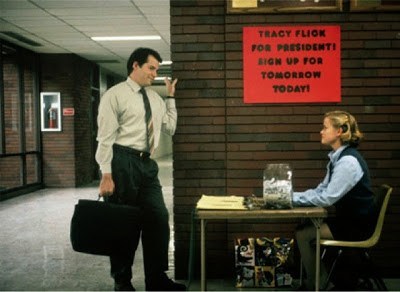
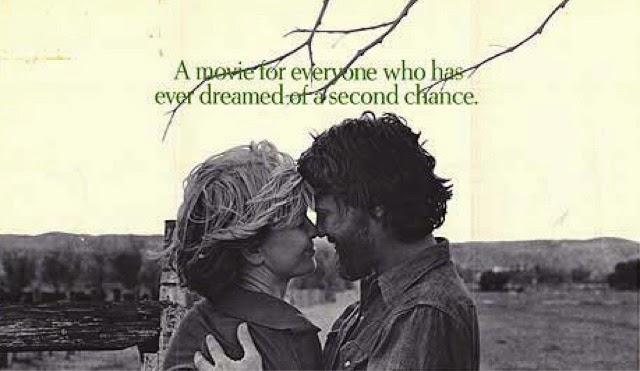
There are some movies that change your perception of what is possible, what is allowed. Alexander Payne's Election was that for me.
September 28, 2010

This essay will explore the duality of Cronenberg’s works, as a statement on man’s curiosity and an open window to the unknown in Videodrome and eXistenZ.
March 22, 2010

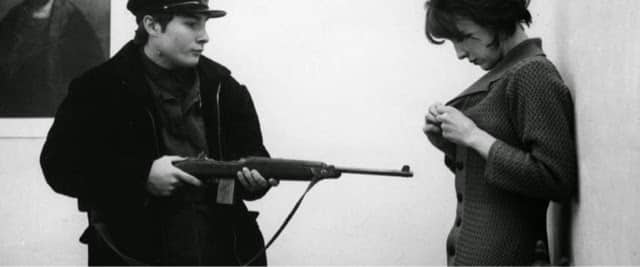
In Les Carabiniers, Godard is in control, from playing with our scopophilic gaze in the makeshift rape scene or denying us narcissistic satisfaction.
March 22, 2010

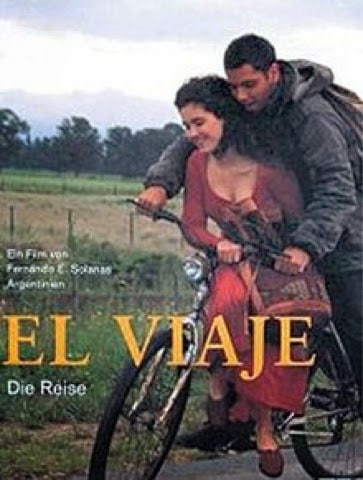
Argentina has one of the most impressive cinematography in the world. Within that cinema, Fernando E. Solanas is a director of seminal importance. In his essay, Towards a Third cinema, Solanas and his co-writer, Octavio Getino, galvanize the overall revolutionary ideas of the time into the concept of a decolonization cinema, denouncing the weak, liberal arts that have, up until […]
July 24, 2011

The world is whole beyond human knowing. -Wendell Berry The Tree of Life, by renowned director Terrence Malick, is years in the making. Its history starts even before Malick’s previous film, The New World, was distributed in 2005. After generating a substantial amount of ink in the media, and hot on the heels of the film’s highly publicized win of […]
March 22, 2010

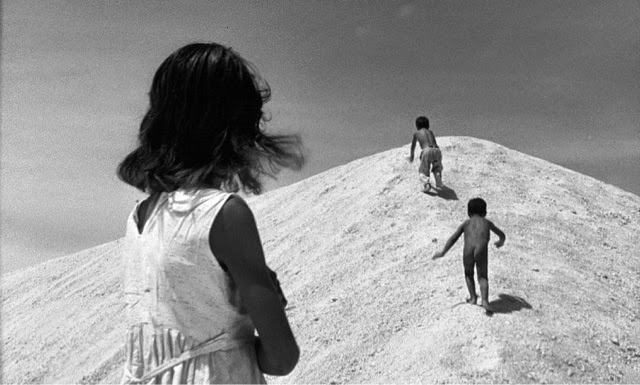
The most striking aspect of the movie Araya is its beautifully contrasted black-and-white photography. Benacerraf effectively conveys her love of Venezuela.
March 22, 2010

It was a pleasant surprise to see Alice doesn’t live here anymore. Is it a feminist film? Can a male filmmaker look at a woman through a female perspective?
October 1, 2010

What is independent cinema? Critics and film scholars have wrestled with a definition of independent for most of cinema’s existence.
March 22, 2010

One of the most interesting aspects of South-American cinema is its post-colonial perspective. Having lived myself and being raised in a Third-world country, I can identify and relate to the plight of South-American characters, living up to their (displaced) roots while fighting their imposed colonial heritage. I’ve seen firsthand the social stratification that the colonial rule instilled into the indigenous […]
March 22, 2010

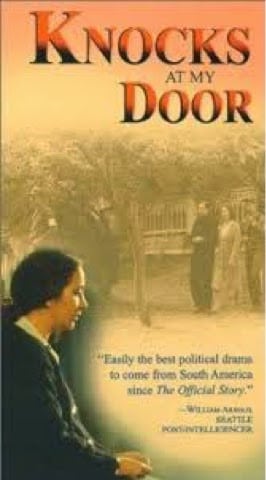
Knocks at my door explores the political instability that has plagued Latin-American countries and Third-world countries in general.
September 28, 2010




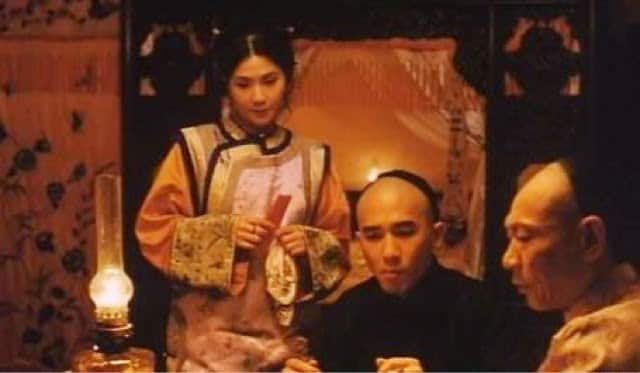
Hou Hsiao Hsien’s depiction of life in Flowers of ShanghaÏ explores the inherent contradictions in the era’s Chinese society.