October 1, 2010

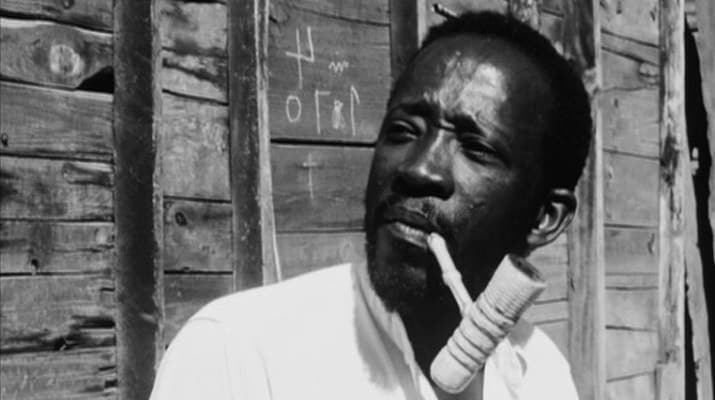
In its perspectives and traditions, African cinema draws the spectator into its narrative, nurturing a symbiotic relationship with life itself.
September 28, 2010

This essay will explore the duality of Cronenberg’s works, as a statement on man’s curiosity and an open window to the unknown in Videodrome and eXistenZ.
September 28, 2010

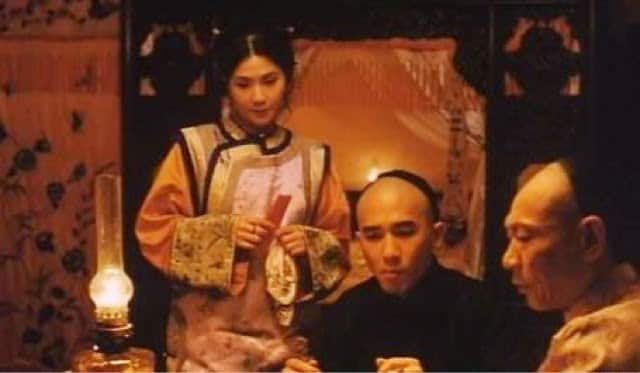
Hou Hsiao Hsien’s depiction of life in Flowers of ShanghaÏ explores the inherent contradictions in the era’s Chinese society.
March 22, 2010

Argentina has one of the most impressive cinematography in the world. Within that cinema, Fernando E. Solanas is a director of seminal importance. In his essay, Towards a Third cinema, Solanas and his co-writer, Octavio Getino, galvanize the overall revolutionary ideas of the time into the concept of a decolonization cinema, denouncing the weak, liberal arts that have, up until […]
March 20, 2018




I haven’t been motivated enough by any of the recent movies to add to the discussion. Black Panther has changed that. Although not a revolutionary film, elements of it speak to me profoundly.How does Black Panther paint the African-American portrait? How does it interact with other films from Africa and the African diaspora?