Blog
ESSAYS
March 26, 2010

In I Don’t Want To Talk About It which precedes her sudden death in 1995, Maria Luisa Bemberg explores the same themes as in her most famous movie, Camila.
September 28, 2010

David Ehrenstein condemns melodramas like Coming Home for perpetuating the illusion that they can affect social change instead of creating real change.
September 28, 2010

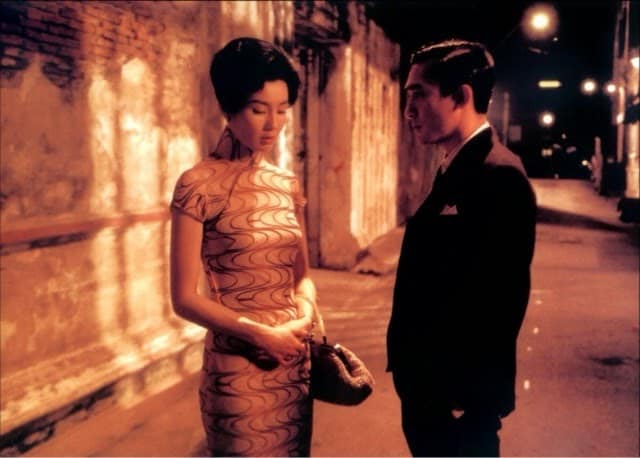
Wong Kar-Wai is considered influential. In the Mood for Love (2000) was a big commercial success for him. How does it compare to Wong Kar-Wai’s other work?
March 22, 2010

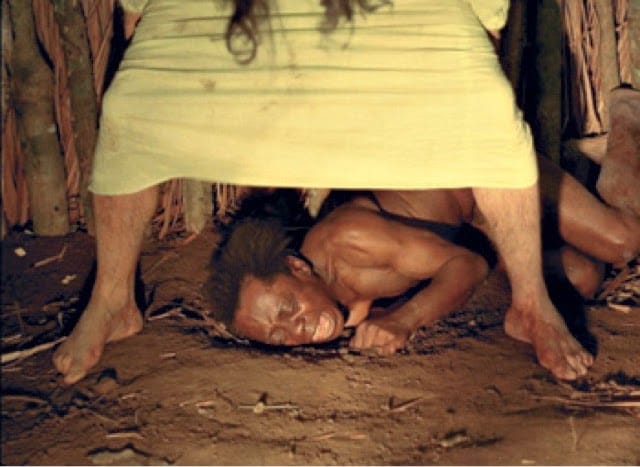
Although separated by more than a decade, Funny Dirty Little War and Macunaïma both try to provoke social change by using satire.
March 22, 2010

The most striking aspect of the movie Araya is its beautifully contrasted black-and-white photography. Benacerraf effectively conveys her love of Venezuela.
March 20, 2018

I haven’t been motivated enough by any of the recent movies to add to the discussion. Black Panther has changed that. Although not a revolutionary film, elements of it speak to me profoundly.How does Black Panther paint the African-American portrait? How does it interact with other films from Africa and the African diaspora?
March 26, 2010

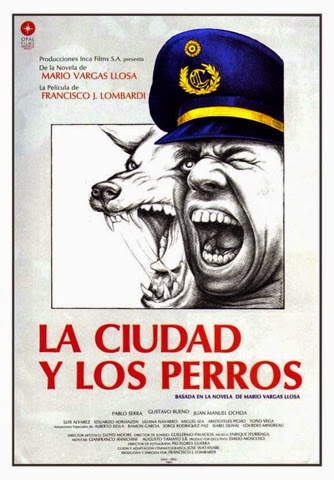
he City and the Dogs, based on the popular novel of the same name by Mario Vargas Llosa, is an allegory of power in South America.
September 28, 2010

This essay will explore the duality of Cronenberg’s works, as a statement on man’s curiosity and an open window to the unknown in Videodrome and eXistenZ.
September 30, 2010

Central Station is one of the most popular and internationally acclaimed Brazilian films of the 1990s. It heralded a renaissance in Brazilian cinema.
October 1, 2010

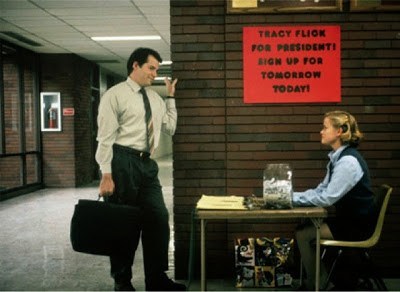
There are some movies that change your perception of what is possible, what is allowed. Alexander Payne's Election was that for me.
March 22, 2010

It was a pleasant surprise to see Alice doesn’t live here anymore. Is it a feminist film? Can a male filmmaker look at a woman through a female perspective?
March 22, 2010









One of the most interesting aspects of South-American cinema is its post-colonial perspective. Having lived myself and being raised in a Third-world country, I can identify and relate to the plight of South-American characters, living up to their (displaced) roots while fighting their imposed colonial heritage. I’ve seen firsthand the social stratification that the colonial rule instilled into the indigenous […]
Leave a Comment